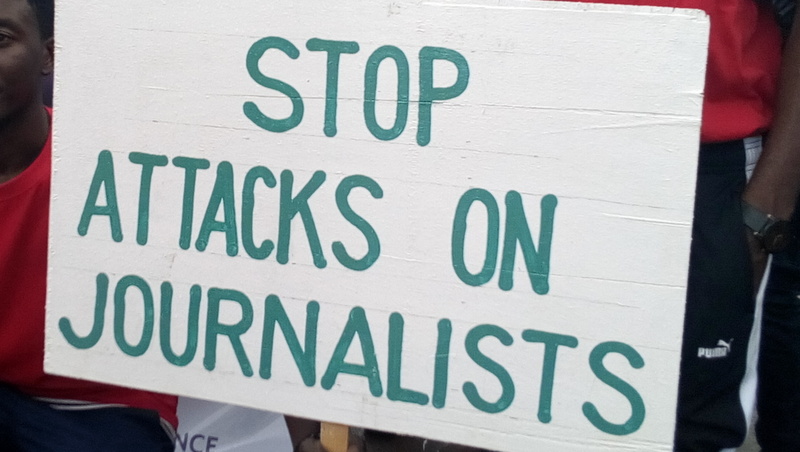
On this International Day to End Impunity for Crimes Against Journalists, MISA Malawi is concerned about the continued failure to investigate and prosecute people responsible for criminal acts against journalists.
The United Nations General Assembly (UNGA) proclaimed 2 November as the International Day to End Impunity for Crimes Against Journalists (IDEI) in the Resolution that urged Member States, including Malawi, to implement definite measures countering the present culture of impunity. The culture of impunity for crimes against journalists means that those who attack, kidnap, or even kill media workers rarely face arrest, prosecution, or punishment.
The theme for IDEI 2026 is “THREATS EVOLVE. IMPUNITY ENDURES”, highlighting how new technologies and weapons are changing the ways attacks against journalists are carried out amidst the absence of punishment for those who commit such crimes.
In Malawi, journalists continue to experience physical assaults and violence, online harassment and bullying, arbitrary arrests and detentions and threats/intimidation, but perpetrators of these attacks are not punished. MISA Malawi believes such impunity is fuelling the culture of violence on the part of attackers as they know police or other relevant state/prosecuting agencies will not investigate the matter and prosecute them.
MISA Malawi receives reports of some corporate and politically powerful individuals issuing threats of violence to journalists, but these threatened journalists opt for silence as they know reporting such people to police will result in no action. Intimidation, state inaction and the silence of victims contribute to shrinking journalistic space and overall press freedom. Impunity for crimes against journalists has a chilling effect, not only on journalists but society in general.
Under the Republican Constitution, other national laws and international standards on the public’s right to know and media freedom, police have an obligation to ensure journalists report without fear of harassment and violence.
We believe police are key to dealing with attacks on journalists, conducting thorough investigations and ending impunity for crimes against journalists. Their action matters. Journalism matters.