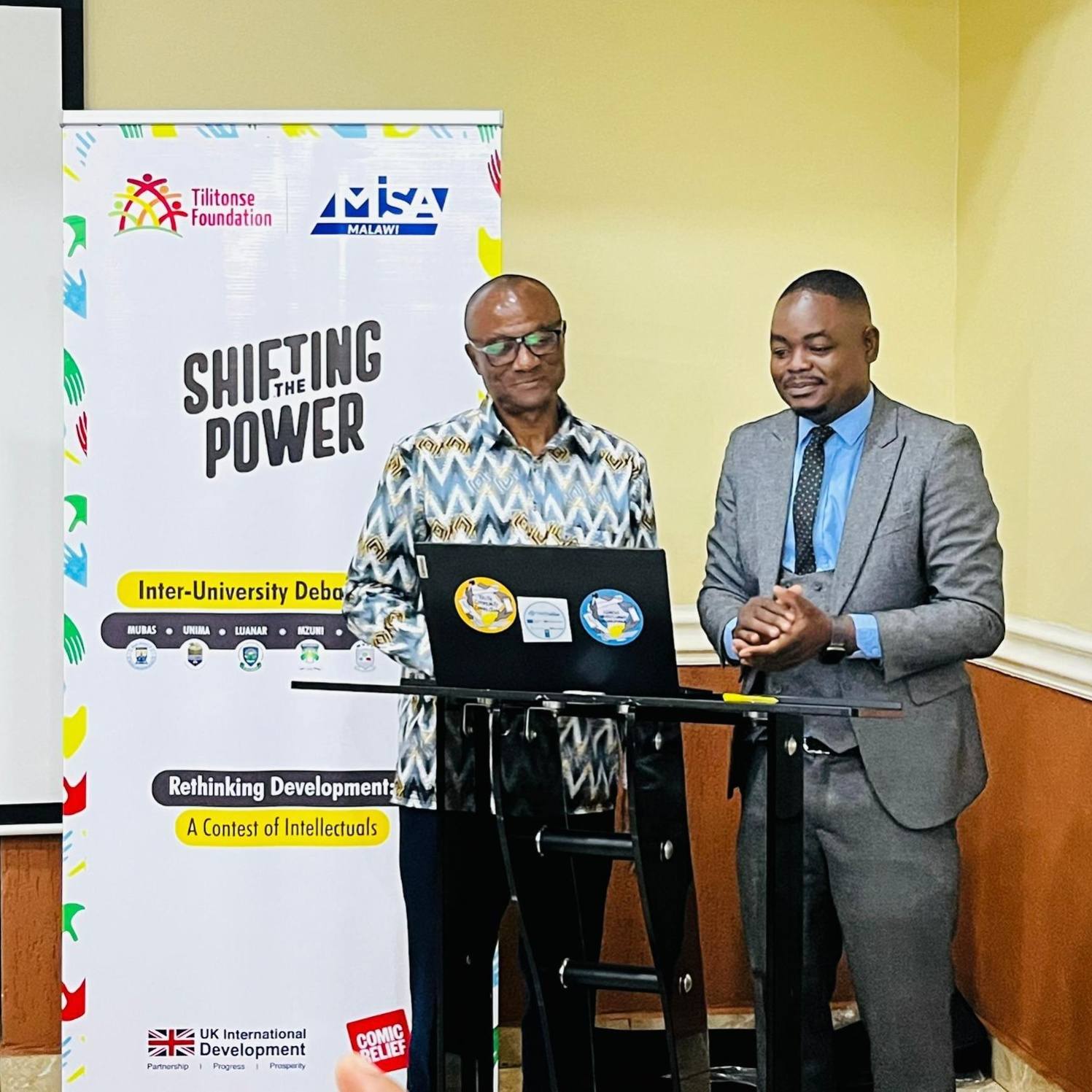
Tilitonse Foundation and Media Institute of Southern Africa (MISA) Malawi Chapter are organising Inter-University Debates for university students to challenge prevailing development narratives and advance locally driven development models.
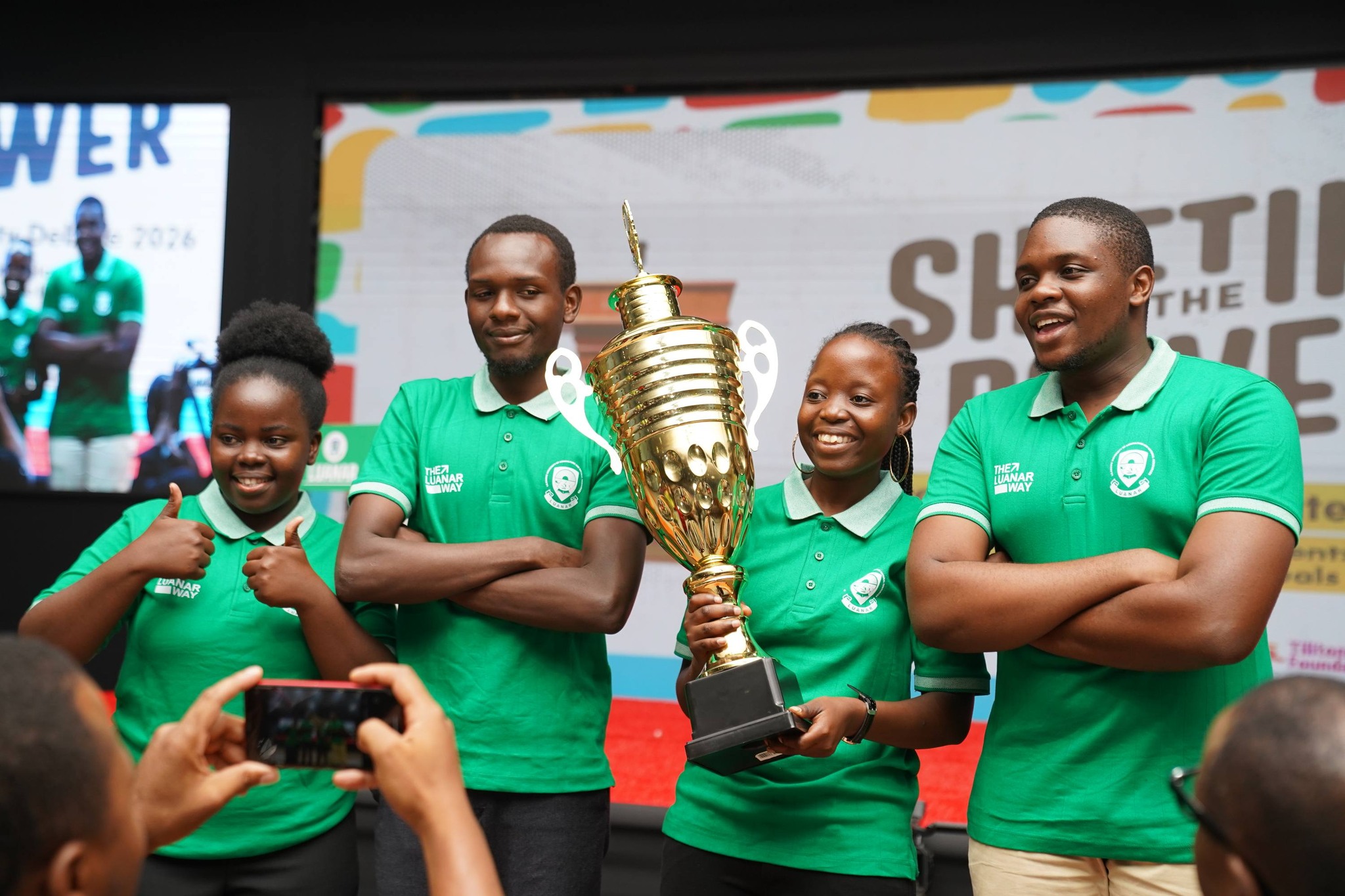
The winner of the Malawi University Debates will compete with winners from Ghana and Zambia. The Malawi debates will take place in February with the Pan African Finale scheduled for March.
The debates are part of a global Shift the Power (StP) movement, which challenges the current development system dominated by external actors and donor-driven agendas and redistribute power, resources, and decision-making to local and indigenous communities, ensuring development is locally led and rooted in dignity and agency.
Apart from providing a platform for civic awakening and systems critique, the debates will help cultivate a generation of activists, informed and justice-driven youth who can challenge conventional development thinking and propose pathways grounded in equity, dignity, and local knowledge.
Drawing on the intellectual energy of students from Ghana, Malawi, and Zambia, the debates will bring the STP conversation to the forefront of today’s youth generation – energising a continental dialogue on decolonising aid, rethinking philanthropy and restoring community leadership in development.
MISA Malawi reached out to several universities to participate in the debates. Six universities have been selected to compete at the local level before selecting the winning team to compete against Zambia and Ghana. The following universities will be competing at the local level:
- University of Malawi (UNIMA
- Mzuzu University (Mzuni)
- Malawi University of Business and Applied Sciences (MUBAS)
- Malawi University of Science and Technology (MUST)
- Catholic University of Malawi (CUNIMA)
- Lilongwe University of Agriculture and Natural Resources (LUANAR)
Among others, the universities were selected based on the following:
- Development oriented programs and courses on offer
- Willingness to participate in the debates
- Their academic calendar and if it aligns with StP Debates schedule
- Status with the National Council for Higher Education as an institution and the development-oriented programs on offer
Each university will select a team of 4 to participate in the debates. The six teams will be paired to compete against each other. The first three debates will be live-televised studio debates with the final local level show down scheduled for one of the hotels in Lilongwe with a live audience.
A team of renowned experts in development and global policy will be responsible for deciding the winners.
The debate will focus on the following thematic areas:
- Gender Justice
- Climate Justice
- Mental Health
- Early Childhood Development
- Democratic consolidation
These themes will be linked to core STP provocations:
- Decolonising development – Who sets the development agenda, and why?
- Funding justice – How can we democratise who controls resources?
- Community sovereignty – From consultation to community command.
- Philanthropy as solidarity, not charity – From patron to partner.
- Youth agency – Youth as co-designers, not just targets.
- Active citizenship – how can we foster individual accountability, moving away from ‘them vs us’ mindsets.
MISA Malawi is organising the debates on behalf of Tilitonse Foundation with support from Foreign, Commonwealth and Development Office of the United Kingdom and Comic Relief.
We wish the teams all the best and hope that the winner from Malawi will also lift the trophy at the Pan African Finale in Ghana in March.
Golden Matonga
Chairperson, MISA Malawi
For feedback
MISA Malawi Chairperson Golden Matonga
Cell: +265 99 616 9705 or email goldenmatonga@gmail.com
MISA Malawi National Director Aubrey Chikungwa
Cell: +265 999 327 311 or email info@misamalawi.org
Background
For decades, the global development ecosystem has been dominated by actors, priorities, and practices largely shaped by institutions in the Global North. Funding decisions, programme designs, evaluation frameworks – even the language of development – have too often excluded the voices and lived experiences of the people development claims to serve. Despite the rhetoric of partnership and participation, the architecture of aid remains (neo) colonial, deeply unequal, favouring hierarchical, donor-driven approaches that reinforce dependency, erode community agency, and silence alternative worldviews.
In response, the growing global movement Shift The Power (STP) is calling for a radical reconfiguration of these systems. STP demands more than surface-level reforms; it calls for a fundamental redistribution of power, resources, and voice from international actors to local and indigenous communities. It insists that true development must be shaped, led, and owned by the people most affected by injustice – not just consulted after decisions are made.
This conversation is particularly urgent in Africa, where civil society, youth movements, and community leaders are increasingly challenging the extractive and paternalistic nature of traditional aid. In Ghana, Malawi, and Zambia – countries rich in innovation, resilience, and civic leadership – development futures continue to be shaped by decisions often made thousands of miles away.
At the same time, youth make up more than 60% of the population across the continent, yet they remain structurally excluded from the rooms where development and policy decisions are made. Their voices, insights, and aspirations are often undervalued or tokenised, rather than meaningfully centred. Young people are a key audience in the long-term communications strategy for this programme, as they represent the present and future drivers of systems change.